
Species is only the start
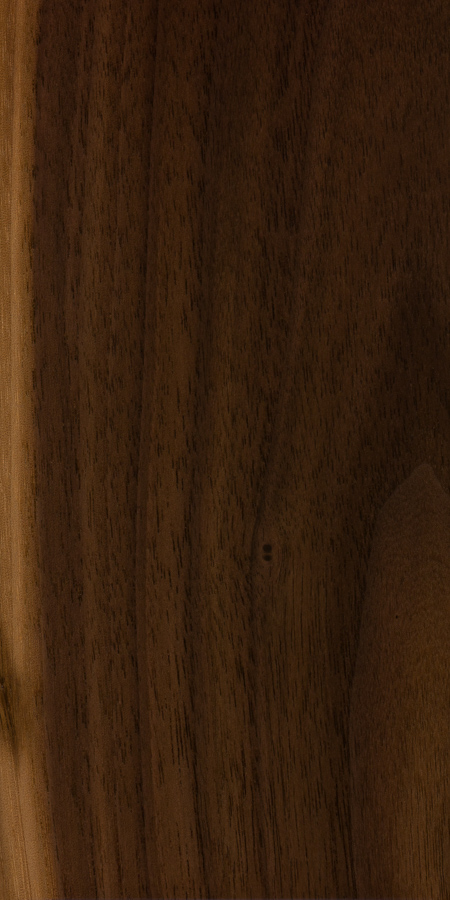
Walnut is the premium live edge default. Maple can offer pale figure and character. Ash and Oak can produce strong grain and value. Exotic slabs are often chosen for colour and drama.
However, the actual slab matters more than the species name: check moisture, cracks, cup, twist, bark inclusion, voids, and flattening requirements.
Match slab to project
Dining tables need stable width, appropriate thickness, good underside support, and enough finished length. Shelves and mantels can tolerate different defects than a table top.
For epoxy work, defects can be a feature. For clean furniture, they may be a cost and labour issue.
What to ask before buying
Ask the final size needed, desired finished thickness, whether flattening is included, what base will support the slab, and whether the customer wants natural defects or a cleaner furniture surface.
Recommended woods to compare
Use these as starting points, then check each species guide for hardness, colour, workability, safety, and current Kingma buying paths.
Kingma buying paths
Shop the closest live inventory
Stock changes, so start with the most relevant collection or search path, then compare species alternatives when the exact wood is unavailable.
Common questions
What is the best wood for a live edge table?
Black Walnut is the premium default, but Maple, Oak, Ash, and many character slabs can work if the size, drying, and defects fit the project.
What should I check before buying a slab?
Check moisture, thickness, width, length, cracks, cup, twist, bark inclusion, flattening needs, and whether the slab fits the base design.
Are cracks bad in a live edge slab?
Not always. Cracks can be stabilized or highlighted, but they affect labour, cost, strength, and final appearance.
More species detail
Continue researching in The Kingma Lumber Wood Species Library, then use the product and collection links inside each species guide to shop current inventory.