
Spalted Maple rough sawn lumber
Good for decorative boards where spalting and character are the feature.
View optionWood species guide · Dense domestic hardwood
Hard Maple is best understood by how it looks, how it works, and where it should be used. This guide explains the practical buying details before sending you to the right Kingma products.
Overview
Hard Maple is a dense domestic hardwood associated with Northeastern North America. It is useful when the project calls for cutting boards, butcher blocks, workbenches, flooring, tool handles, turned objects, and pale furniture.
For SEO and customer usefulness, this page separates the science from the buying decision: appearance, working behaviour, durability, project fit, and then the right Kingma shopping path.
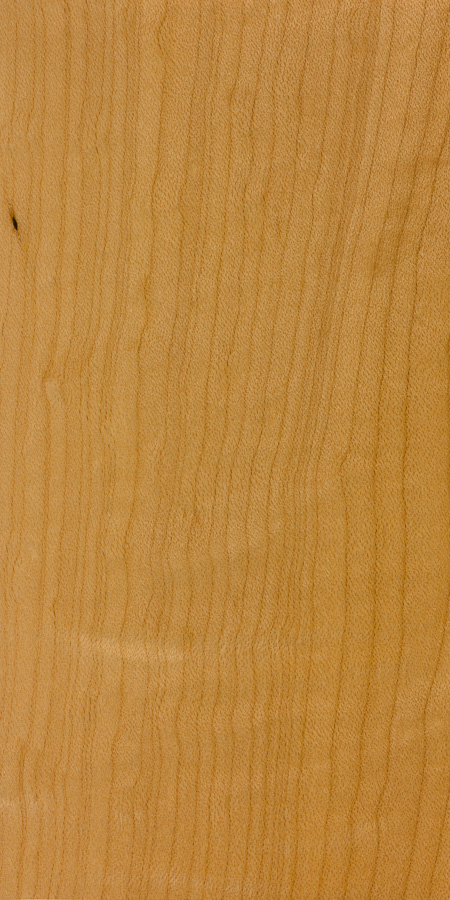
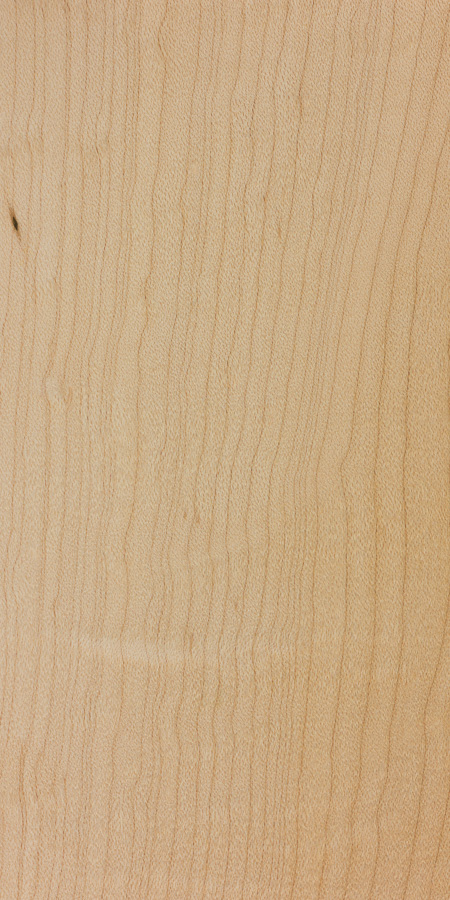
Nearly white to cream sapwood with occasional golden or reddish hue; heartwood is darker reddish brown.
Generally straight with a fine, even texture. Birdseye, curly, and quilted figure can appear and command premium pricing.
Works well but is denser than soft maple. It can burn with high-speed cutters and can blotch when stained.
Maple can cause skin, runny nose, or asthma-like respiratory irritation for some people; use dust collection and PPE.
Hard Maple should be sold by project fit: colour, workability, durability, and the format the customer actually needs.
Cutting boards, butcher blocks, workbenches, flooring, tool handles, turned objects, and pale furniture.
Exterior use, dark-stain projects without testing, and applications where low movement or easy machining is more important than hardness.
Test finishes on offcuts first, especially when colour, blotching, outdoor exposure, or grain filling matters.
Choose boards, slabs, plywood, blanks, or posts based on the project rather than species name alone.
Shop path
Start with the direct species match when Kingma sells it. If stock rotates, use the closest live collection or a clearly explained alternative.
Good for decorative boards where spalting and character are the feature.
View optionA strong fit for bowls, handles, and turned objects.
View optionMaple is the classic light-coloured cutting board species.
View optionBirch is a sensible light-coloured alternative for some interior projects. Walnut or cherry are not visual substitutes, but they pair well with maple for contrast.
Yes. Hard maple is a standard cutting board and butcher block species because it is hard, pale, and close-grained.
It can blotch, so test pieces, conditioner, gel stain, or toner are recommended when staining.
Yes. Hard maple is much harder than Black Walnut on the Janka scale.
Error
discount code automatically applied at checkout.
Your cart has been updated