
White Oak lumber collection
Best live route for White Oak boards, including rotating thickness and quarter-sawn availability.
View optionWood species guide · Durable domestic hardwood
White Oak is best understood by how it looks, how it works, and where it should be used. This guide explains the practical buying details before sending you to the right Kingma products.
Overview
White Oak is a durable domestic hardwood associated with Eastern United States. It is useful when the project calls for cabinetry, furniture, flooring, trim, boatbuilding, barrels, millwork, and quartersawn feature pieces.
For SEO and customer usefulness, this page separates the science from the buying decision: appearance, working behaviour, durability, project fit, and then the right Kingma shopping path.
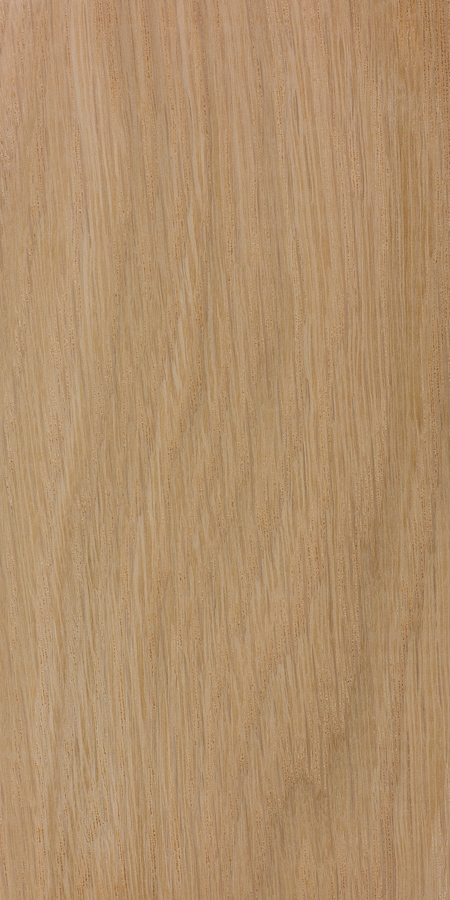
Light to medium brown heartwood, often with an olive cast; quartersawn boards can show strong ray fleck.
Straight grain with coarse, open texture. Quartersawn White Oak has prominent medullary rays that create the classic flake figure used in furniture and millwork.
Machines and glues well, stains and finishes well, and steam-bends reliably. Use sharp tooling, predrill near edges, and avoid wet contact with iron because staining can occur.
Oak dust can cause eye and skin irritation for some people; use dust collection and PPE.
White Oak should be sold by project fit: colour, workability, durability, and the format the customer actually needs.
Cabinetry, furniture, flooring, trim, boatbuilding, barrels, millwork, and quartersawn feature pieces.
Projects that require a very smooth closed-grain look without grain filling, or low-cost builds where Red Oak will meet the need indoors.
Test finishes on offcuts first, especially when colour, blotching, outdoor exposure, or grain filling matters.
Choose boards, slabs, plywood, blanks, or posts based on the project rather than species name alone.
Shop path
Start with the direct species match when Kingma sells it. If stock rotates, use the closest live collection or a clearly explained alternative.
Best live route for White Oak boards, including rotating thickness and quarter-sawn availability.
View optionA practical furniture-grade option for cabinet parts, frames, shelves, and smaller builds.
View optionA better fit when thicker table legs, heavy parts, or substantial furniture components are needed.
View optionRed Oak is a more affordable indoor alternative with a similar open-grain look, but it is generally less decay resistant and has a redder cast. Ash can give a lighter open-grain look, while Maple is cleaner and less visibly grained.
White Oak is more durable than many domestic hardwoods and can be used in moisture-aware applications, but outdoor success still depends on design, drainage, fasteners, and finish maintenance.
Quarter-sawn White Oak is cut to show strong ray fleck and improved dimensional stability, making it popular for furniture, cabinetry, and Arts and Crafts-style work.
It depends on the project. White Oak is usually preferred for moisture resistance and a less red colour, while Red Oak is often chosen for indoor value and availability.
Error
discount code automatically applied at checkout.
Your cart has been updated