
Start with food-safe practicality
The safest cutting board choices are tight-grained hardwoods that resist deep knife marks without being so hard that they dull knives quickly.
Hard Maple, Black Walnut, and Cherry remain the most practical core choices because they machine cleanly, glue well, and are familiar to woodworkers.
Best Kingma species to compare
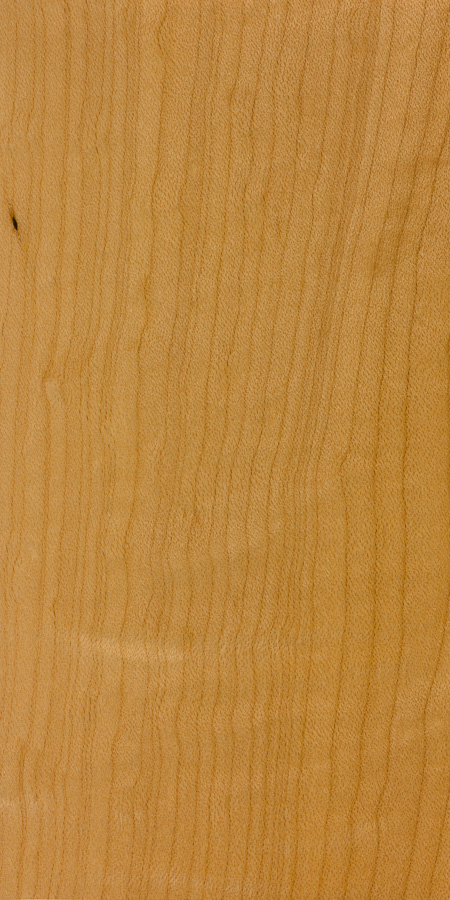
Hard Maple is the classic light cutting board species. Black Walnut brings darker contrast and a premium look. Cherry warms up quickly with use and light exposure.
Purpleheart and Padauk can be used as accent strips, but they should be used thoughtfully because dense exotics can create glue-up, dust, and maintenance considerations.
What to avoid
Avoid very open-pored woods, oily woods that complicate glue-up, softwoods that dent too easily, and strongly toxic or irritating species for food-contact work.
For most customers, it is smarter to keep the board simple: Maple for the working surface, Walnut or Cherry for contrast, and small accent strips only when the builder understands the species.
Recommended woods to compare
Use these as starting points, then check each species guide for hardness, colour, workability, safety, and current Kingma buying paths.
Hard Maple
Best all-around choice for durable, pale cutting boards.
Black Walnut
Premium dark contrast with good workability.
Cherry
Warm domestic hardwood that pairs well with Maple and Walnut.
Purpleheart
Colour accent, best used in small amounts.
Padauk
Bright accent option with strong colour and dust considerations.
Birch
Light domestic option for practical shop projects.
Kingma buying paths
Shop the closest live inventory
Stock changes, so start with the most relevant collection or search path, then compare species alternatives when the exact wood is unavailable.
Common questions
What is the best wood for a cutting board?
Hard Maple is usually the safest starting point because it is hard, tight-grained, widely accepted for cutting boards, and practical to machine.
Can I use Walnut in a cutting board?
Yes, Black Walnut is commonly used in cutting boards, especially as a darker contrast wood with Maple or Cherry.
Should exotic woods be used in cutting boards?
Use exotic woods cautiously. Many are dense, dusty, oily, or irritating, so they are usually better as small accents than as the entire board.
More species detail
Continue researching in The Kingma Lumber Wood Species Library, then use the product and collection links inside each species guide to shop current inventory.