
4/4 Purple Heart rough sawn lumber
Direct match for boards, accent parts, small furniture pieces, and colourful hardwood projects.
View optionWood species guide · Dense exotic hardwood
Purpleheart is best understood by how it looks, how it works, and where it should be used. This guide explains the practical buying details before sending you to the right Kingma products.
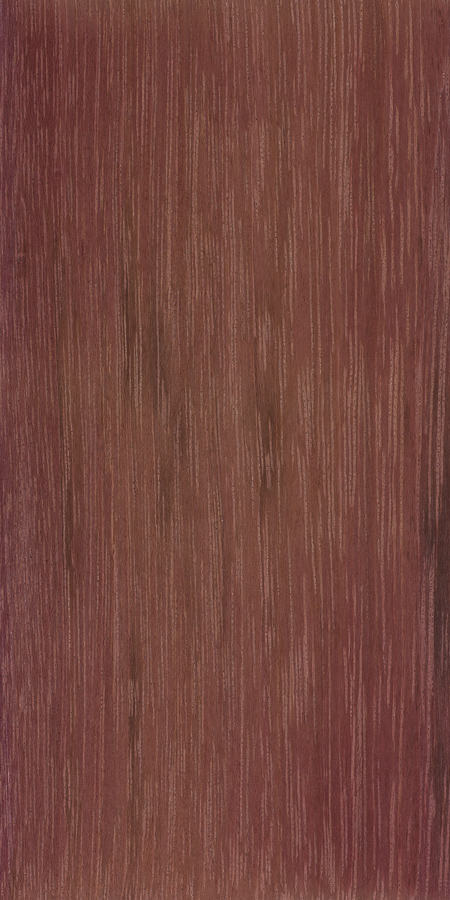
Overview
Purpleheart is a dense exotic hardwood associated with Central and South America. It is useful when the project calls for accent strips, inlays, cutting board accents, furniture details, flooring, turning, specialty items, and live edge statement pieces.
For SEO and customer usefulness, this page separates the science from the buying decision: appearance, working behaviour, durability, project fit, and then the right Kingma shopping path.
Freshly cut boards can appear dull grayish or purplish brown, then deepen to a vivid purple with exposure before gradually darkening toward brownish purple.
Usually straight but sometimes wavy or irregular, with medium texture and a natural luster that makes it popular for contrast work.
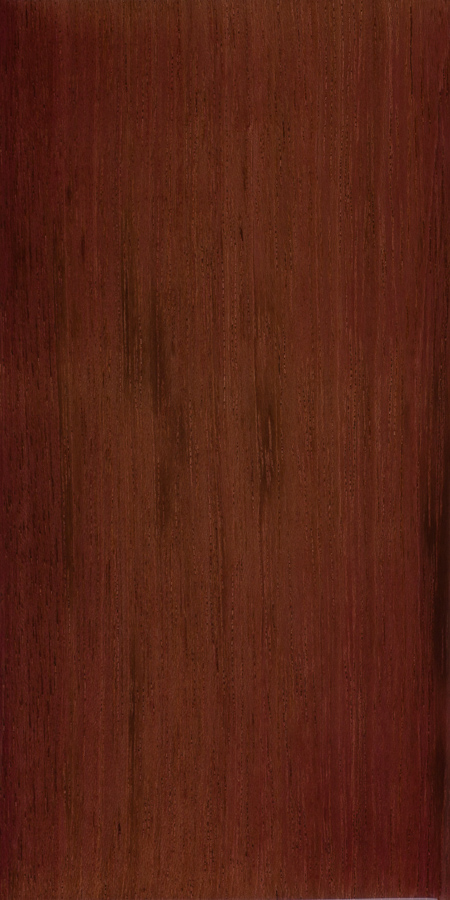
Very hard and dense. Sharp cutters, light passes, and heat control matter because dull tooling or excessive heat can cause problems and reduce colour quality.
Purpleheart dust can cause eye and skin irritation and nausea for some people; strong dust collection and PPE are important.
Purpleheart should be sold by project fit: colour, workability, durability, and the format the customer actually needs.
Accent strips, inlays, cutting board accents, furniture details, flooring, turning, specialty items, and live edge statement pieces.
Large beginner projects, low-tooling setups, glue-ups where movement and density differences are ignored, or designs where the purple colour must stay bright forever.
Test finishes on offcuts first, especially when colour, blotching, outdoor exposure, or grain filling matters.
Choose boards, slabs, plywood, blanks, or posts based on the project rather than species name alone.
Shop path
Start with the direct species match when Kingma sells it. If stock rotates, use the closest live collection or a clearly explained alternative.
Direct match for boards, accent parts, small furniture pieces, and colourful hardwood projects.
View optionA strong fit when the customer wants the purple colour in a statement slab or live edge piece.
View optionBest when a longer live edge format is more important than a standard surfaced board.
View optionWalnut is the closest Kingma option when the customer wants a dark premium contrast, but it is brown rather than purple and much easier to work. Wenge can provide deeper contrast, while Cherry gives warmth rather than bold colour.
Purpleheart colour shifts with oxidation, light exposure, and finishing. It often becomes more purple after cutting, then slowly darkens with time.
It can be used as an accent when properly dried, machined, and finished, but its hardness means it is usually better as a contrast strip than the entire board.
Not really. It is hard, dense, and more demanding on tools than domestic woods like Cherry or Walnut.
Error
discount code automatically applied at checkout.
Your cart has been updated