
Start with Walnut
Black Walnut is the safest premium dark hardwood recommendation because it balances appearance, workability, availability, and customer familiarity.
When customers ask for a dark wood but do not know the species, Walnut should usually be the first conversation.
Use exotics for accents
Wenge, Ebony-type species, Bocote, Ziricote, and other dark exotics can be stunning, but many are dense, expensive, brittle, oily, splintery, or harder to source responsibly.
For many projects, a small accent strip, handle, or feature panel is smarter than building the entire piece from a difficult exotic.
Offer sensible alternatives
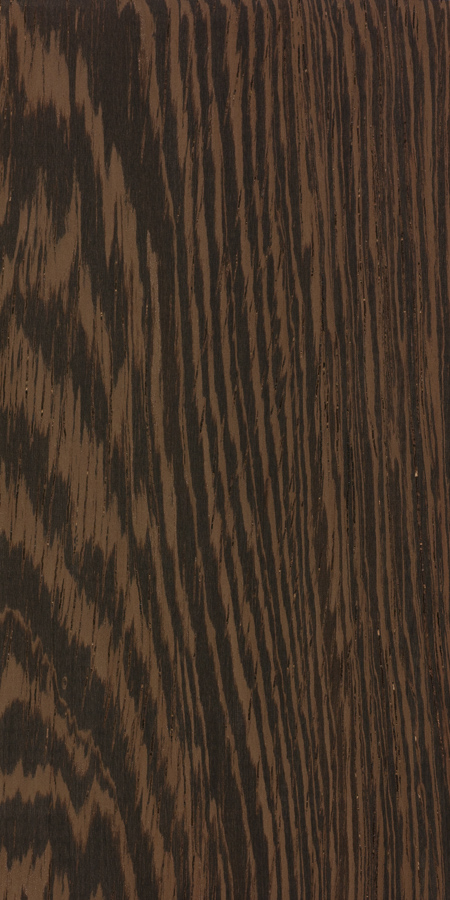
If Walnut is unavailable, consider Sapele for warmth, Wenge for dramatic black-brown contrast, or stained White Oak/Maple only when the customer understands it is a finish choice rather than a naturally dark species.
Recommended woods to compare
Use these as starting points, then check each species guide for hardness, colour, workability, safety, and current Kingma buying paths.
Black Walnut
Best premium all-around dark domestic hardwood.
Wenge
Very dark exotic with coarse texture and splinter concerns.
Ziricote
Dramatic figure for specialty projects and accents.
African Blackwood
Extremely dense specialty dark wood.
Bocote
Bold figure with dark contrast lines.
Sapele
Warm reddish-brown alternative, not a true Walnut match.
Kingma buying paths
Shop the closest live inventory
Stock changes, so start with the most relevant collection or search path, then compare species alternatives when the exact wood is unavailable.
Common questions
What is the best dark hardwood?
Black Walnut is usually the best all-around dark hardwood because it is beautiful, workable, and familiar to buyers.
What is darker than Walnut?
Wenge, African Blackwood, some Ebony-type woods, and several figured exotics can be darker than Walnut, but they are usually harder to work and source.
Should I use dark exotic hardwood for a whole project?
Often no. Dark exotics are usually best as accents unless the builder understands cost, tooling, dust, movement, and sourcing issues.
More species detail
Continue researching in The Kingma Lumber Wood Species Library, then use the product and collection links inside each species guide to shop current inventory.