
4/4 Wenge rough sawn lumber
Direct match for dark accent boards, small furniture parts, and specialty pieces.
View optionWood species guide · Very dark exotic hardwood
Wenge is best understood by how it looks, how it works, and where it should be used. This guide explains the practical buying details before sending you to the right Kingma products.
Overview
Wenge is a very dark exotic hardwood associated with Central Africa. It is useful when the project calls for luxury accents, inlays, handles, boxes, modern furniture details, turning, and high-contrast design elements.
For SEO and customer usefulness, this page separates the science from the buying decision: appearance, working behaviour, durability, project fit, and then the right Kingma shopping path.
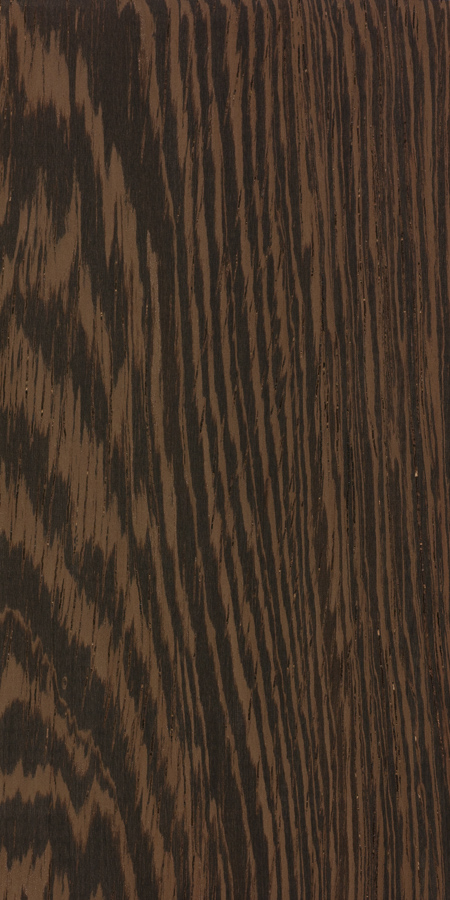
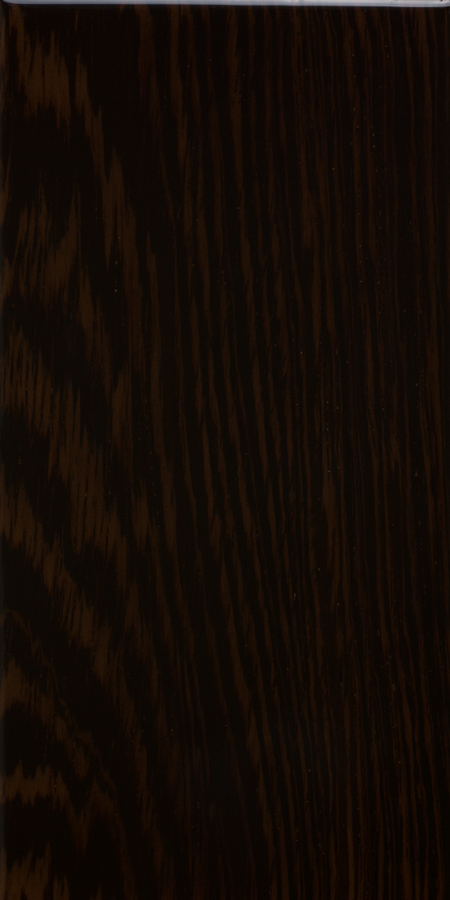
Medium brown to nearly black heartwood with very dark brown or black streaks, creating one of the darkest natural wood looks.
Generally straight grain with very coarse texture and large open pores; the strong black-brown striping creates high contrast in small details.
Hard, brittle, splintery, and abrasive on tools. Sharp cutters, careful handling, and pore filling are important for a refined finish.
Wenge splinters can be problematic and its dust may irritate skin, eyes, or breathing; use strong dust collection and PPE.
Wenge should be sold by project fit: colour, workability, durability, and the format the customer actually needs.
Luxury accents, inlays, handles, boxes, modern furniture details, turning, and high-contrast design elements.
Beginner builds, food-contact projects without careful research, large surfaces where splinters or open pores are a problem, and projects that need easy machining.
Test finishes on offcuts first, especially when colour, blotching, outdoor exposure, or grain filling matters.
Choose boards, slabs, plywood, blanks, or posts based on the project rather than species name alone.
Shop path
Start with the direct species match when Kingma sells it. If stock rotates, use the closest live collection or a clearly explained alternative.
Direct match for dark accent boards, small furniture parts, and specialty pieces.
View optionUseful for smaller projects where a predictable flat-rate format matters.
View optionA thicker option for handles, legs, turning blanks, and heavier accent parts.
View optionBlack Walnut is the most practical Kingma alternative when the customer wants a dark premium hardwood that is easier to machine and finish. Purpleheart or Sapele are not visual matches, but they can provide strong exotic contrast.
Yes. Wenge is hard, coarse, splintery, and tool-dulling compared with many domestic hardwoods.
It works best as a high-impact dark accent in details, inlays, handles, boxes, and modern furniture rather than as an easy all-purpose wood.
Black Walnut is the best practical Kingma alternative when the goal is a dark premium look with easier machining.
Error
discount code automatically applied at checkout.
Your cart has been updated