
4/4 Sapele rough sawn lumber
Direct route for Sapele boards; Kingma product handles may use the Sapelle spelling.
View optionWood species guide · Ribbon-grain exotic hardwood
Sapele is best understood by how it looks, how it works, and where it should be used. This guide explains the practical buying details before sending you to the right Kingma products.
Overview
Sapele is a ribbon-grain exotic hardwood associated with Tropical Africa. It is useful when the project calls for furniture, cabinetry, doors, millwork, veneer, musical instruments, trim, and figured feature panels.
For SEO and customer usefulness, this page separates the science from the buying decision: appearance, working behaviour, durability, project fit, and then the right Kingma shopping path.
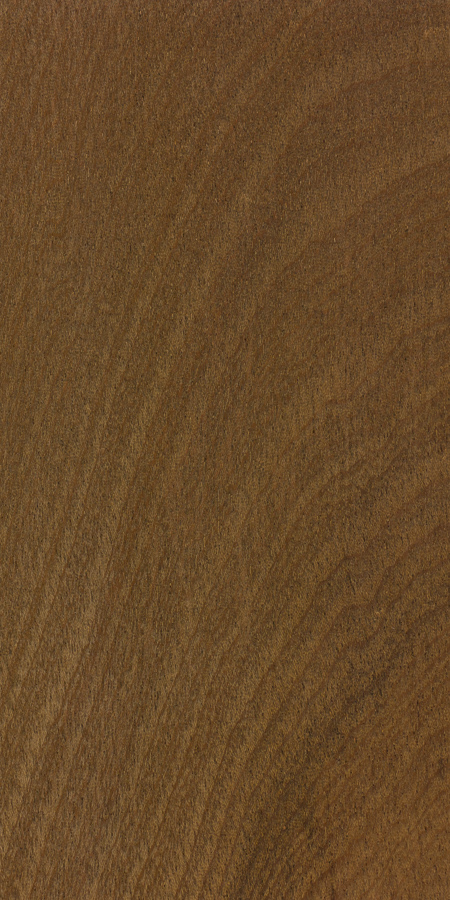
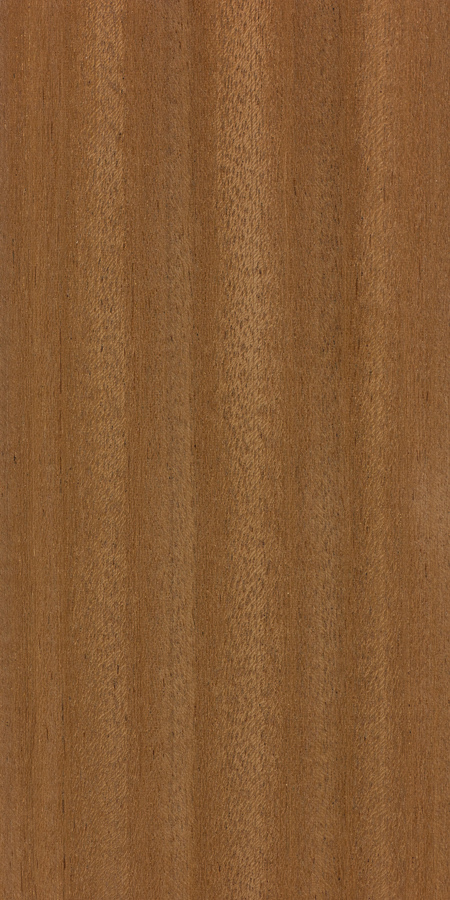
Golden to reddish brown heartwood that darkens with age, often showing ribbon stripe, mottled, pommele, or other figure.
Interlocked grain is common and creates the ribbon-striped look on quartersawn faces; texture is medium to fine with good natural luster.
Machines well with sharp tools, but interlocked grain can tear out during planing. Pre-drilling and careful sanding help deliver a cleaner furniture finish.
Sapele dust may irritate skin or breathing for some people; use dust collection and PPE.
Sapele should be sold by project fit: colour, workability, durability, and the format the customer actually needs.
Furniture, cabinetry, doors, millwork, veneer, musical instruments, trim, and figured feature panels.
Beginner projects that require tearout-free hand planing, exterior exposure without a design and finish plan, or customers expecting a true mahogany replacement without colour variation.
Test finishes on offcuts first, especially when colour, blotching, outdoor exposure, or grain filling matters.
Choose boards, slabs, plywood, blanks, or posts based on the project rather than species name alone.
Shop path
Start with the direct species match when Kingma sells it. If stock rotates, use the closest live collection or a clearly explained alternative.
Direct route for Sapele boards; Kingma product handles may use the Sapelle spelling.
View optionUse when thicker furniture parts, legs, or substantial components are needed.
View optionA figured option when dramatic surface movement is the buying priority.
View optionCherry is the closest domestic warmth substitute but is softer and finer-grained. Walnut is darker and less ribboned. African Mahogany or similar reddish exotics may be alternatives when available.
No. Sapele is in the mahogany family and can resemble mahogany, but it is a distinct species group with its own ribbon figure, density, and working behaviour.
The striped look usually comes from interlocked grain, especially on quartersawn faces.
Yes. Sapele is widely used for furniture, cabinetry, doors, millwork, and decorative panels when its reddish colour and figure fit the design.
Error
discount code automatically applied at checkout.
Your cart has been updated