
8/4 Teak rough sawn lumber
Direct match for Teak stock currently listed by Kingma; verify thickness and dimensions on the product page before ordering.
View optionWood species guide · Oily outdoor-rated hardwood
Teak is best understood by how it looks, how it works, and where it should be used. This guide explains the practical buying details before sending you to the right Kingma products.
Overview
Teak is a oily outdoor-rated hardwood associated with Native to southern Asia and widely grown in plantations. It is useful when the project calls for boat parts, exterior furniture, outdoor accents, benches, trim, turnings, carving, and moisture-aware specialty projects.
For SEO and customer usefulness, this page separates the science from the buying decision: appearance, working behaviour, durability, project fit, and then the right Kingma shopping path.
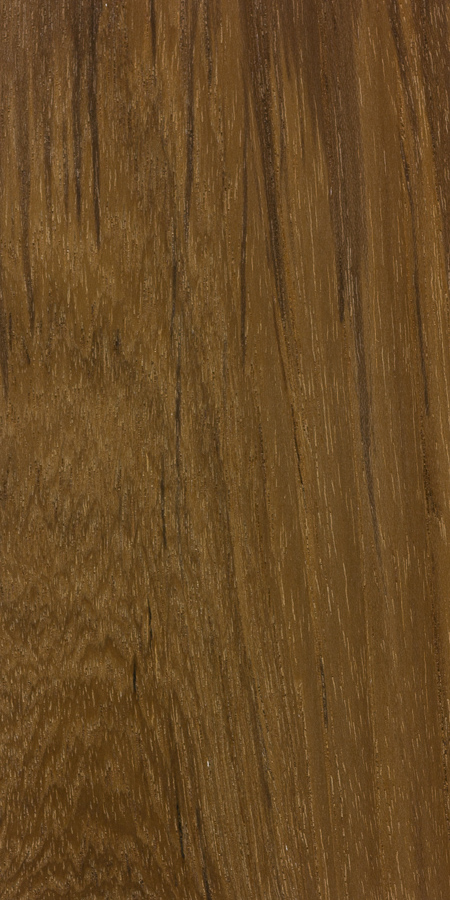
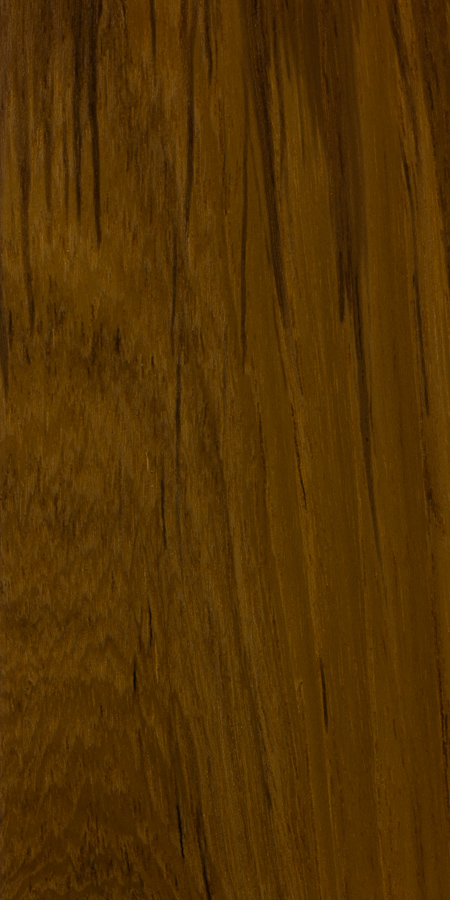
Golden to medium brown heartwood that can darken with age, often with a slightly oily feel and occasional darker streaking.
Usually straight, though it can be wavy or interlocked; texture is coarse and uneven with a naturally oily surface.
Machines reasonably well but silica can dull cutters and natural oils can complicate gluing. Wiping with solvent and using fresh abrasives helps before finishing or glue-up.
Teak dust can irritate skin, eyes, or breathing for some people; use dust collection and PPE.
Teak should be sold by project fit: colour, workability, durability, and the format the customer actually needs.
Boat parts, exterior furniture, outdoor accents, benches, trim, turnings, carving, and moisture-aware specialty projects.
Low-budget projects, glue-ups without surface prep, cutting boards where oil/silica concerns matter, or builds where a pale indoor hardwood would be better.
Test finishes on offcuts first, especially when colour, blotching, outdoor exposure, or grain filling matters.
Choose boards, slabs, plywood, blanks, or posts based on the project rather than species name alone.
Shop path
Start with the direct species match when Kingma sells it. If stock rotates, use the closest live collection or a clearly explained alternative.
Direct match for Teak stock currently listed by Kingma; verify thickness and dimensions on the product page before ordering.
View optionA sensible Kingma alternative for many outdoor projects when the customer needs decay resistance at a different price and weight profile.
View optionUse only when the customer cares more about slab format and visual impact than Teak specifically.
View optionCedar is a logical outdoor alternative when low weight and decay resistance matter more than Teak’s dense oily hardwood character. White Oak can be another outdoor-aware hardwood alternative when the design and finish plan make sense.
Teak is valued outdoors because its heartwood is naturally durable, oily, and dimensionally stable compared with many hardwoods.
It can be. The oily surface and silica content mean surface preparation, adhesive choice, and fresh machining matter.
Not exactly. Cedar is softer and lighter, but it can be a practical outdoor alternative when the project does not require Teak’s hardness or premium look.
Error
discount code automatically applied at checkout.
Your cart has been updated