
Cedar lumber collection
Best route for boards, posts, and exterior cedar stock.
View optionWood species guide · Aromatic softwood
Western Red Cedar is best understood by how it looks, how it works, and where it should be used. This guide explains the practical buying details before sending you to the right Kingma products.
Overview
Western Red Cedar is a aromatic softwood associated with Pacific Northwest United States and Canada. It is useful when the project calls for decking, fence boards, posts, planter boxes, siding, outdoor accents, boxes, and lightweight exterior projects.
For SEO and customer usefulness, this page separates the science from the buying decision: appearance, working behaviour, durability, project fit, and then the right Kingma shopping path.
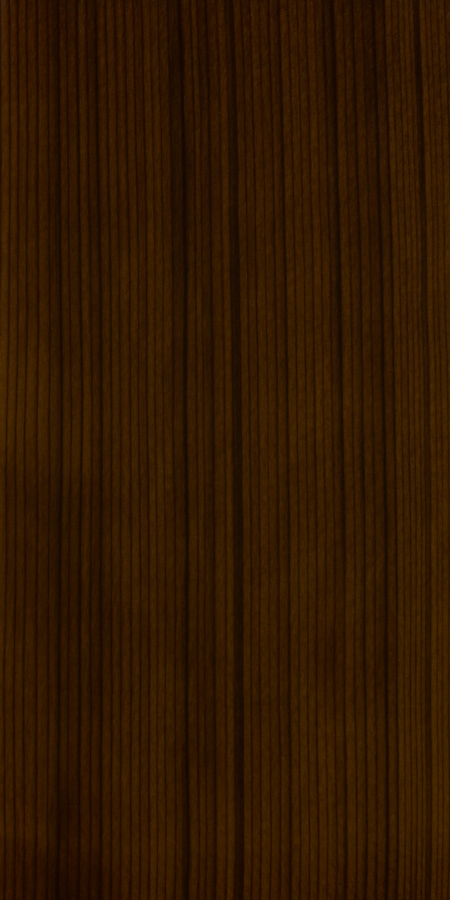
Reddish to pinkish brown heartwood with darker streaks and narrow pale sapwood.
Straight grain with coarse texture and moderate natural luster.
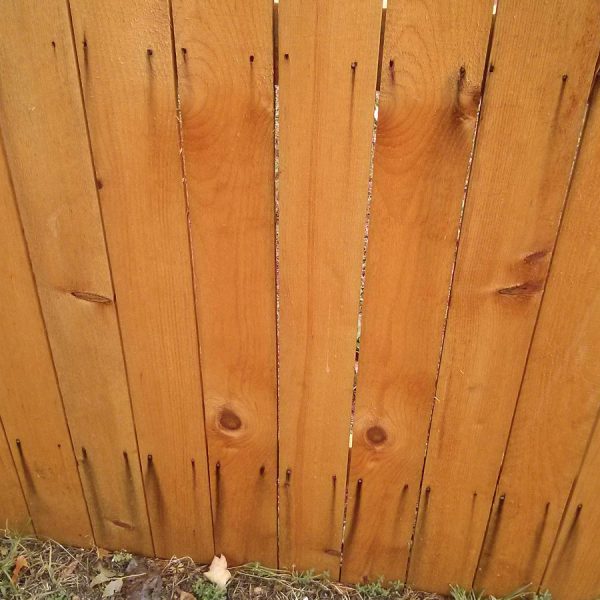
Very easy to work, glue, and finish, but it dents easily and can sand unevenly. Iron fasteners may stain it in moisture.
Western Red Cedar contains plicatic acid and is associated with occupational asthma; dust control and PPE are important.
Western Red Cedar should be sold by project fit: colour, workability, durability, and the format the customer actually needs.
Decking, fence boards, posts, planter boxes, siding, outdoor accents, boxes, and lightweight exterior projects.
High-wear tabletops, cutting boards, heavy impact surfaces, and applications where softness is a problem.
Test finishes on offcuts first, especially when colour, blotching, outdoor exposure, or grain filling matters.
Choose boards, slabs, plywood, blanks, or posts based on the project rather than species name alone.
Shop path
Start with the direct species match when Kingma sells it. If stock rotates, use the closest live collection or a clearly explained alternative.
Best route for boards, posts, and exterior cedar stock.
View optionGood fit for outdoor projects where cedar’s decay resistance matters.
View optionUseful for structural-looking outdoor projects, fencing, and garden builds.
View optionIf the customer needs interior furniture hardness, cedar is not the right substitute for hardwoods. For outdoor use, cedar is often the better choice than indoor hardwoods because of its decay resistance and low weight.
No. Western Red Cedar is a softwood, even though it is often sold alongside lumber used for serious building projects.
Yes. Western Red Cedar is valued for exterior uses because it is lightweight and naturally decay resistant.
No. It is too soft and aromatic for that use. Maple, Walnut, and Cherry are better cutting board options.
Error
discount code automatically applied at checkout.
Your cart has been updated