
Maple lumber collection
Clean, pale domestic alternative for furniture and utility builds.
View optionWood species guide · Imported specialty hardwood
Buckthorn is best understood by how it looks, how it works, and where it should be used. This guide explains the practical buying details before sending you to the right Kingma products.
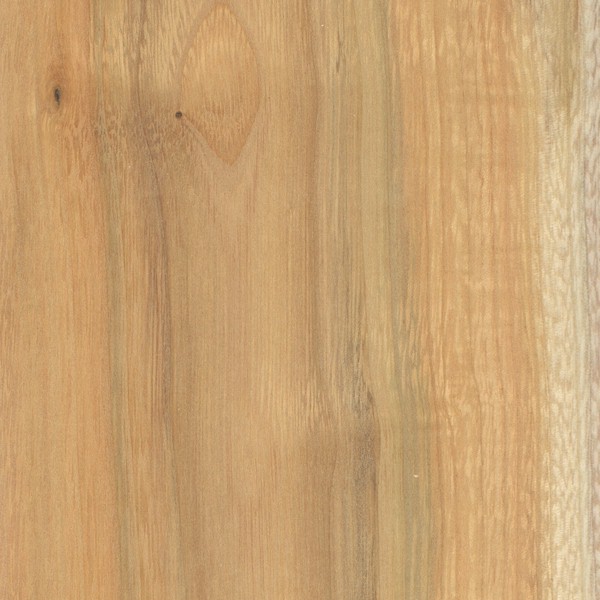
Overview
Buckthorn is a imported specialty hardwood associated with Widespread throughout Europe, North America, Asia, and northern Africa. It is useful when the project calls for posts, turned objects, carvings, and other small wooden specialty items
For SEO and customer usefulness, this page separates the science from the buying decision: appearance, working behaviour, durability, project fit, and then the right Kingma shopping path.
Expect heartwood is a yellowish-orange, sometimes with darker red or brown streaks. Sapwood is a pale off-white or straw color.
In practical selection, the grain and texture are best treated this way: has a tight grain, with a fine uniform texture and moderate natural luster.
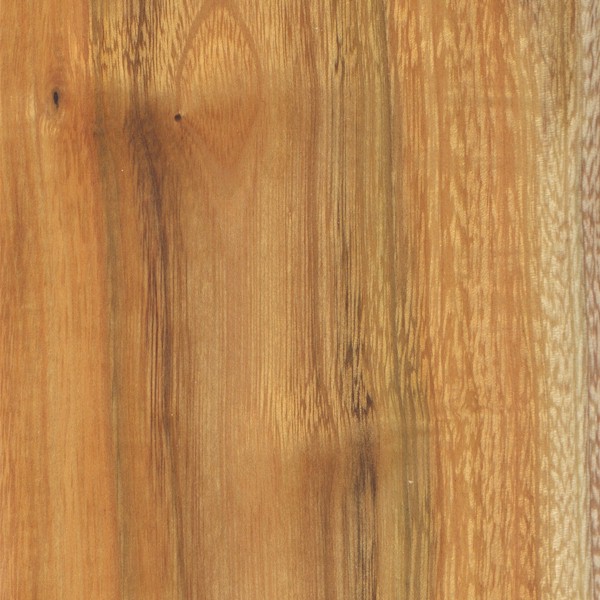
In the shop, easy to work, though significant end-checking can occur if not dried properly. Buckthorn’s working characteristics are reminiscent of Cherry , and it turns, glues, and finishes well.
Although severe reactions are quite uncommon, the sap of Buckthorn has been reported to cause skin irritation.
Buckthorn should be sold by project fit: colour, workability, durability, and the format the customer actually needs.
Posts, turned objects, carvings, and other small wooden specialty items
Avoid specifying it by name alone; confirm board size, moisture, colour, figure, and the project environment before buying.
Test finishes on offcuts first, especially when colour, blotching, outdoor exposure, or grain filling matters.
Choose boards, slabs, plywood, blanks, or posts based on the project rather than species name alone.
Shop path
Start with the direct species match when Kingma sells it. If stock rotates, use the closest live collection or a clearly explained alternative.
Clean, pale domestic alternative for furniture and utility builds.
View optionUse when the customer cares more about slab format and visual impact than this exact species.
View optionIf Kingma does not have an exact match online, use the buying links below as practical alternatives only when the colour, grain, hardness, or project environment makes sense.
Buckthorn is best considered for posts, turned objects, carvings, and other small wooden specialty items. Match it to the exact board format, colour, hardness, and finish plan before buying.
It depends on density, grain direction, and tooling. Test cuts on offcuts first, and choose Maple, Cherry, Walnut, or Poplar when easier machining is the priority.
Use the buying section on this page. If an exact product is not listed, the linked alternatives are included only when they make practical sense for colour, grain, or project use.
Error
discount code automatically applied at checkout.
Your cart has been updated